How to Build Muscle: 7 Tips for Beginners | ApexVita Magazine
Keen to get started building and retaining muscle for the long haul? Check our expert tips on how to build muscle, designed for beginners!
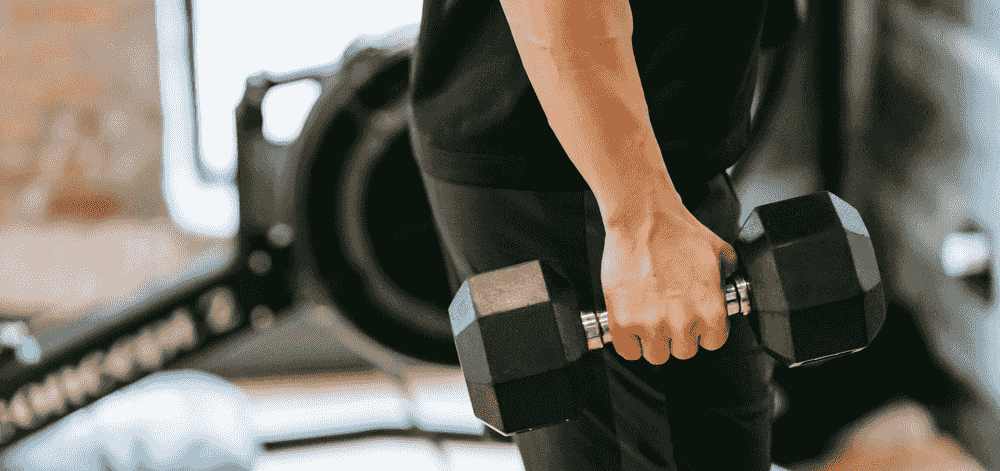
Brand new to the gym and chasing that ideal muscle-to-fat ratio? Getting pumped to build up gains and grow muscle fast? The possibilities are endless, but here's the reality most beginners don't hear enough - the muscle you build quickly, you lose twice as fast.
It can be motivating to see rapid gains but just like crash diets, muscle built on shaky foundations just doesn't last. What's important is understanding muscle building for the long-term, and the best habits that can keep you going sustainably.
Here to get your fitness journey started for the long haul? Below's our expert tips on how to build muscle for beginners!
Set realistic expectations
As with reaching any goal in life, it's always about the mindset. It's all well and good to be motivated, but setting high expectations just to inevitably fall short, feel disappointed, and quit is the most common mistake beginners make. As we covered in our intro, muscle that you gain fast is also incredibly easy to lose. It's unrealistic to expect your body to go from 0 to 100 in just a few sessions at the gym, and even more so without the right consistent training routine, nutrition, and recovery.
Oftentimes, it can take months of consistent work to achieve the muscle mass you're after but that doesn't mean you won't see results early on. Research shows that it can take upwards of six months to visibly notice any real big gains in muscle mass, and that's including factors you can't control like genetics. In the beginning, your body will adapt quickly to training so you'll probably find yourself growing stronger before your physique changes. Take this momentum as encouragement and continue to strive for steady growth rather than dramatic changes overnight.
Choose the right exercises (with the right form)
One of the most important steps to get right when starting to build muscle is choosing the right exercises, doing them correctly, and understanding when to increase weight. While it's always best to get a tailored workout regime from a personal trainer, here are a few beginner-friendly compound lift exercises that can help you build muscle:
-
Squats for glutes and legs
-
Push-ups for core and arms
-
Dumbbell chest presses for chest and biceps
-
Deadlifts for glutes, hamstrings and lower backs
-
Overhead presses for shoulders and triceps
-
Lunges for legs and glutes
As you start getting stronger and more comfortable with these exercises, you can consider gradually making your workout harder over time to keep your muscles adapting and growing (progressive overload). This can mean lifting more weight, doing more reps or sets, and reducing rest time. Take things slow and make sure you get your form right before progressing anything.
Commit to the process
As quoted by Olympic sailor Pavlos Kontides, "consistency builds what motivation starts". It's undoubtedly hard to start your fitness journey, but it's arguably even harder to commit and perform consistently. Understanding that you have a long way to go is half the battle, and falling in love with the process ensures you get the wins and gains you want.
Helpful ways to make sure you commit to your muscle-building journey include setting up a habit tracker, going with friends, signing up for classes with a personal trainer, and celebrating all your wins.
Incorporate alternative activities
When you're trying to build muscle, it's also important to incorporate alternate activities and exercises that can help you recover between more intense workout sessions, whilst also maintaining the muscles you've built. Bodyweight circuit exercises like planks and mountain climbers done in short rounds can help, as well as resistant-band workouts like band-assisted rows and pull-ups.
Taking a break with low-intensity exercises are another way to keep your workouts feeling fresh while also helping your body recover. Cardio such as walking, cycling, or light rowing can help you feel refreshed and ease post-workout discomfort, and dynamic stretches like yoga and foam rolling can improve your range of motion for future heavy sessions.
Make use of resources and support tools
As a beginner, make sure to take advantage of all the resources, tools, and equipment available to you to help you get off the right foot. Workout apps are a great resource for not only logging your workouts, but also setting you up with simple information guides and advice that can help you build muscle faster. Some organisations also offer free pre-built programs so you don't have to design your workout regime by yourself, from scratch. However, it's often worth modifying these programs once you've got the hang of it to suit exercises and movements you prefer.
Progress tracking apps are another helpful tool to support your progress, especially as you get more consistent and try new exercises. These apps can chart volume, PRs (personal records), body measurements, and often also have added tools like notes and photo logs so you can track all your progress in one place.
Once you're more comfortable with strength-building exercises, you might also want to consider tracking your nutrition and diet. Calorie and protein tracking apps from reputable organisations can help you align your everyday diet with your muscle-building goals.
Adjust your diet accordingly
If building muscle is like building a house, exercise is putting up the frame and walls, while your diet is the constant supply of bricks and cement that makes up your house. There's a lot of nutrition advice around muscle-building but the most beginner-friendly and easily-actionable tips are:
-
Eat enough calories so your body has energy to build muscle instead of burning it off for fuel
-
Prioritise protein (around 1.3g per day for every kg of body weight) to support muscle recovery after exercise
-
Keep eating carbs for recovery
-
Include a moderate amount of healthy fats for hormone production and overall health
-
Keep your diet nutritious and simple to maintain
It's also best to focus on hitting your nutrition goals through whole foods first, although this may be difficult depending on your resources and time available. As such, supplements are another option to think about.
Consider supplementation
These days, supplements are increasingly popular with muscle-builders as not only are they a convenient way to get the protein and other nutrients your body needs, but they're also easy to take and often affordable. You can find basic supplements from local supermarkets and more specialised supplements (such as electrolytes and pre-workouts) from a wider variety of brands at specific supplement retailers like ApexVita.
While it may be tempting to get all your necessary nutritional intake from supplements alone, supplements are best used in conjunction with a healthy whole foods diet and exercise. We recommend speaking to a qualified healthcare professional before starting any new supplement, especially if you are pregnant, breastfeeding, have a medical condition, or take medications. Individual responses to supplements often vary, and results are not guaranteed.
Ready to start building muscle? Make sure you apply our tips and give yourself the best chance and start to achieve your ideal muscle mass. Check out our wide range of supplements that can help you on your health journey, from protein, to creatine, to pre workouts, and more!