Collagen Peptides
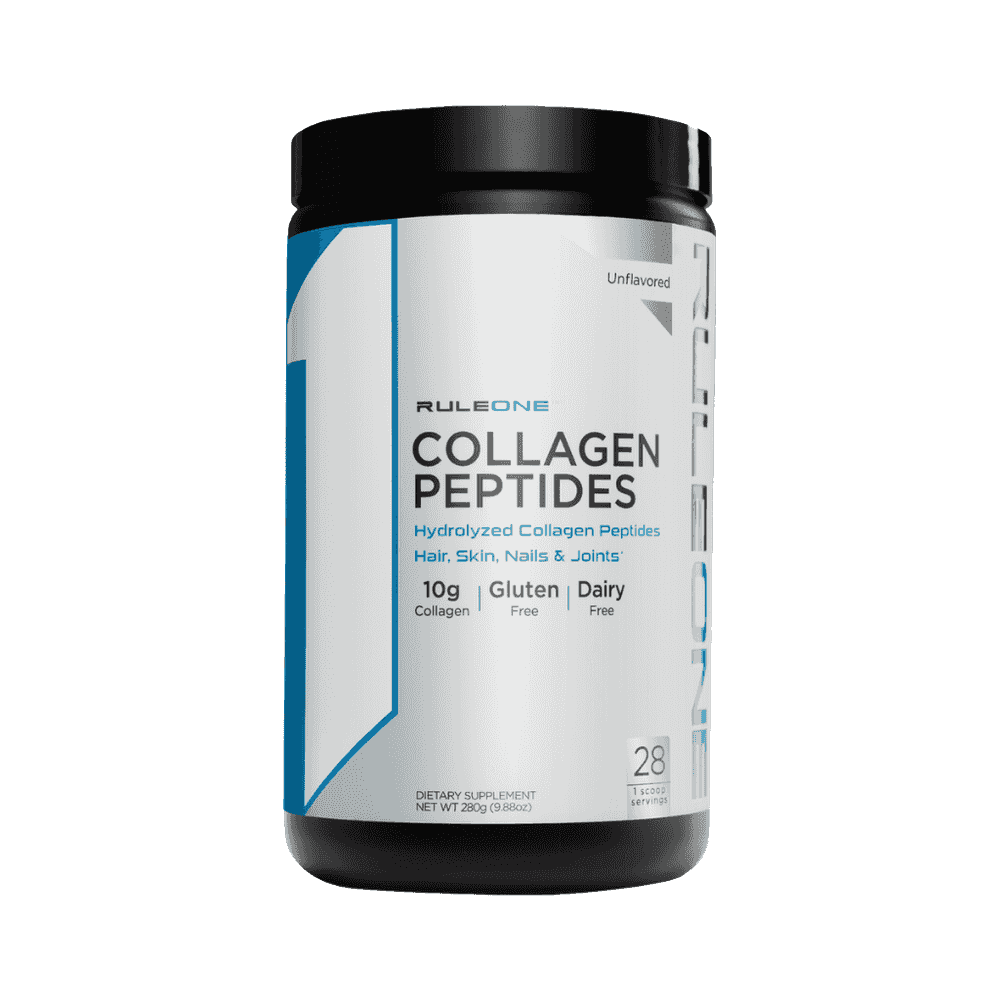
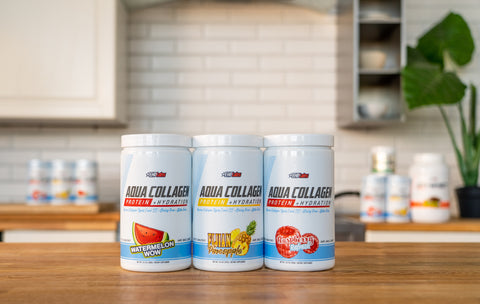
Hydrolysed bovine or marine collagen powder. The most popular everyday peptide — mixed into water, coffee or a shake to support your daily protein and amino-acid intake.
Discover collagen and copper peptide (GHK-Cu) supplements to support recovery, skin, hair, nails and joints — explained clearly, with no hype. Educational guidance from our qualified nutrition team.
Educational information only. ApexVita stocks over-the-counter collagen and cosmetic copper-peptide supplements. We do not sell prescription-only or injectable peptides. This page is general in nature, is not medical advice, and does not make therapeutic claims. Always read the label and follow the directions for use. Consult a healthcare professional before use.
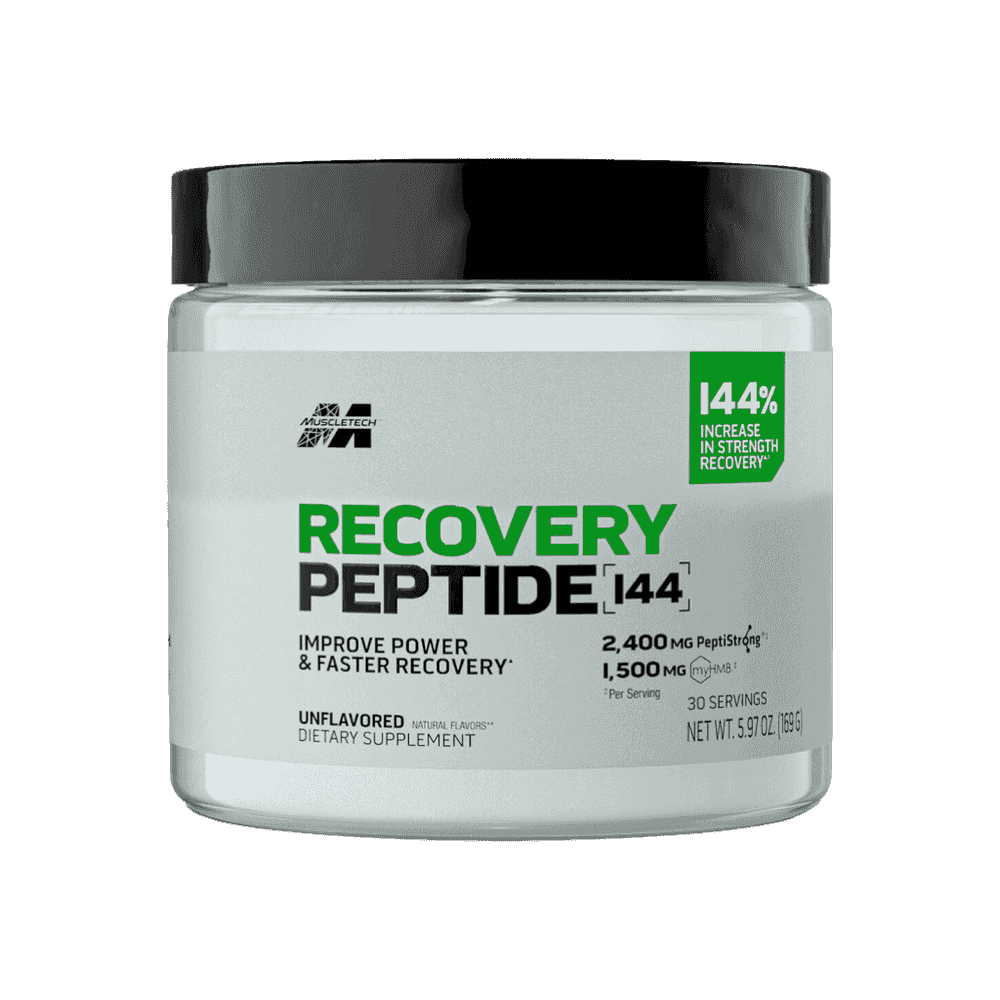
Collagen peptides supply the amino acid building blocks (glycine, proline) that support connective-tissue recovery after training.
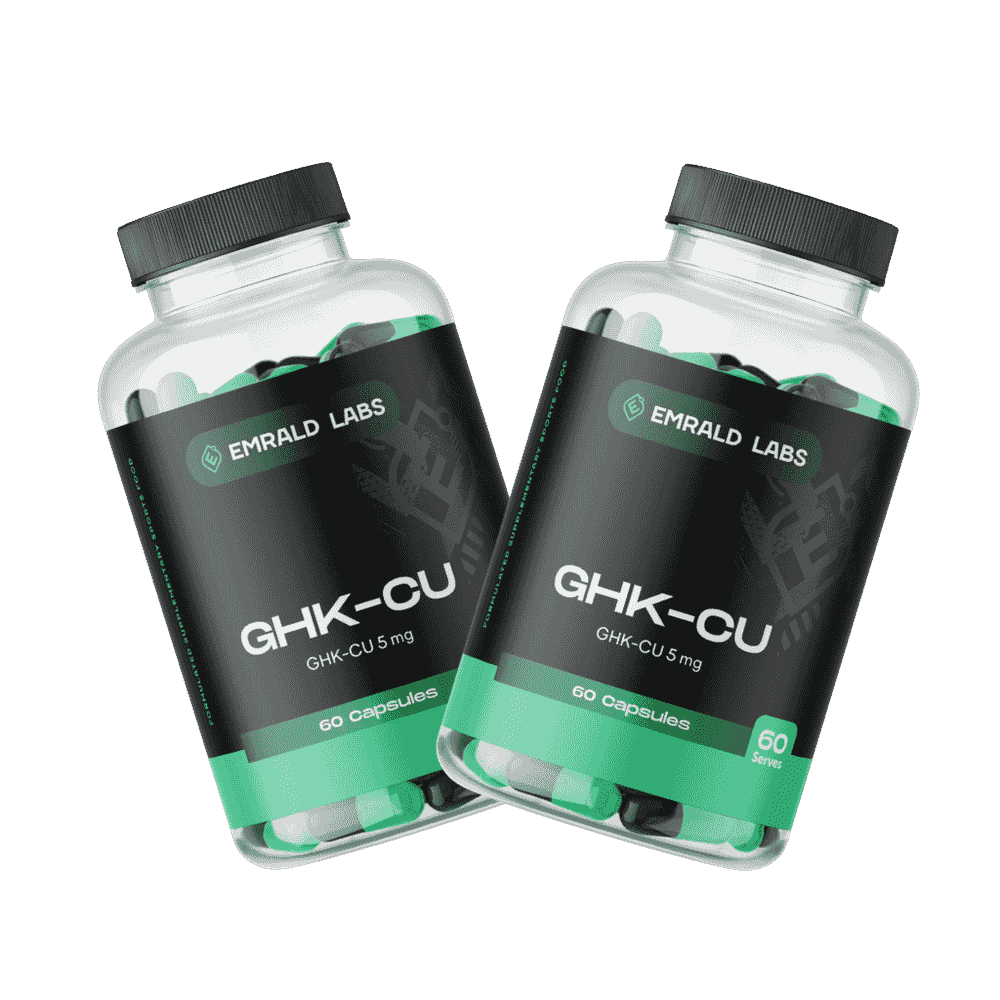
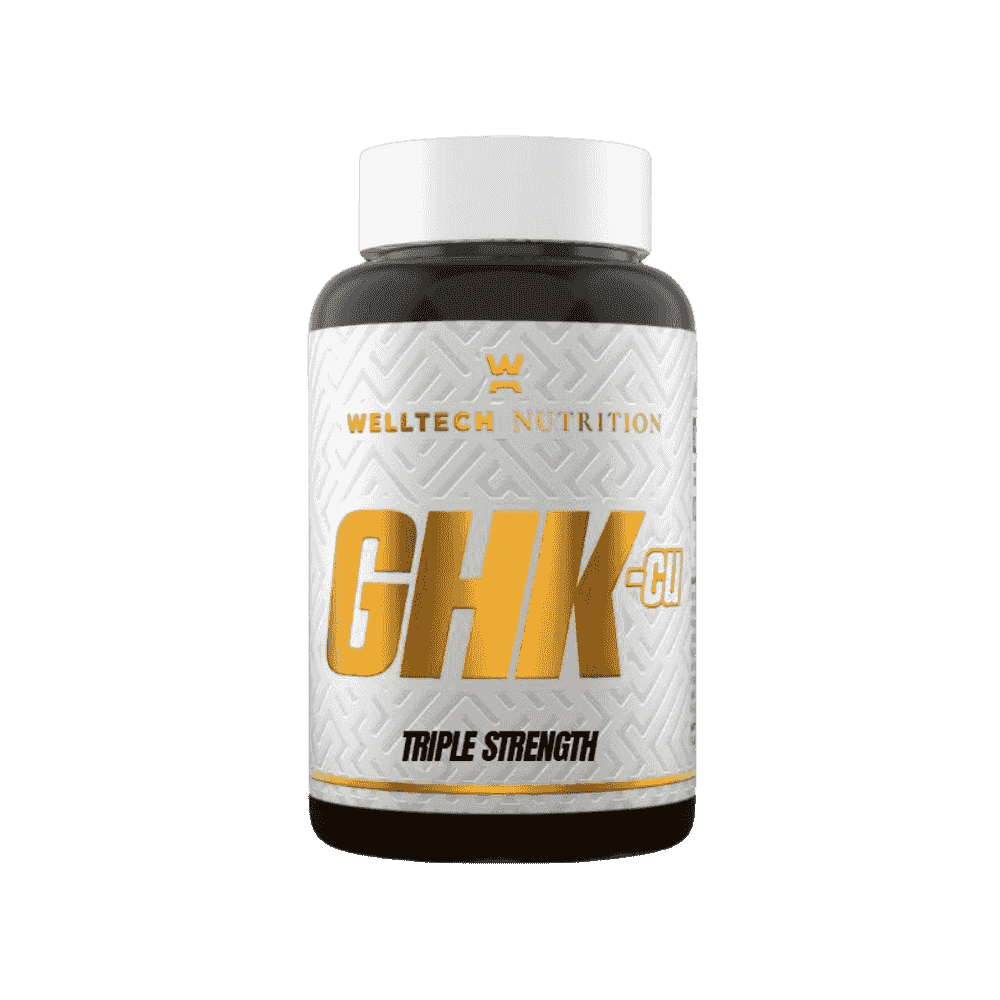
Hydrolysed collagen and copper peptides (GHK-Cu) are popular for supporting skin elasticity and a healthy complexion.
Type I & II collagen are commonly used to support cartilage, tendons and everyday joint comfort.
Natural collagen production declines with age — supplementation is a simple way to help top it back up.
Not all peptides are the same. Here are the three categories you’ll find at ApexVita, explained in plain language so you can choose what fits your goals.
Hydrolysed bovine or marine collagen powder. The most popular everyday peptide — mixed into water, coffee or a shake to support your daily protein and amino-acid intake.
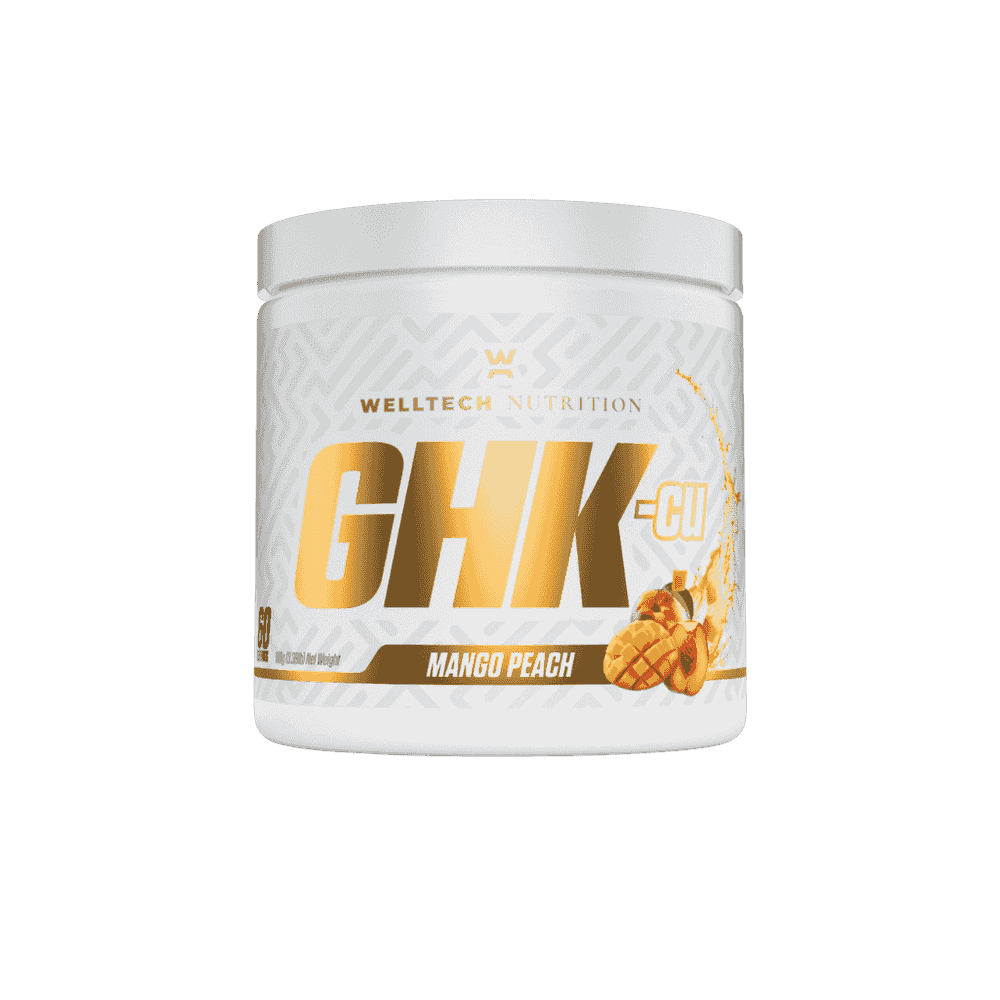
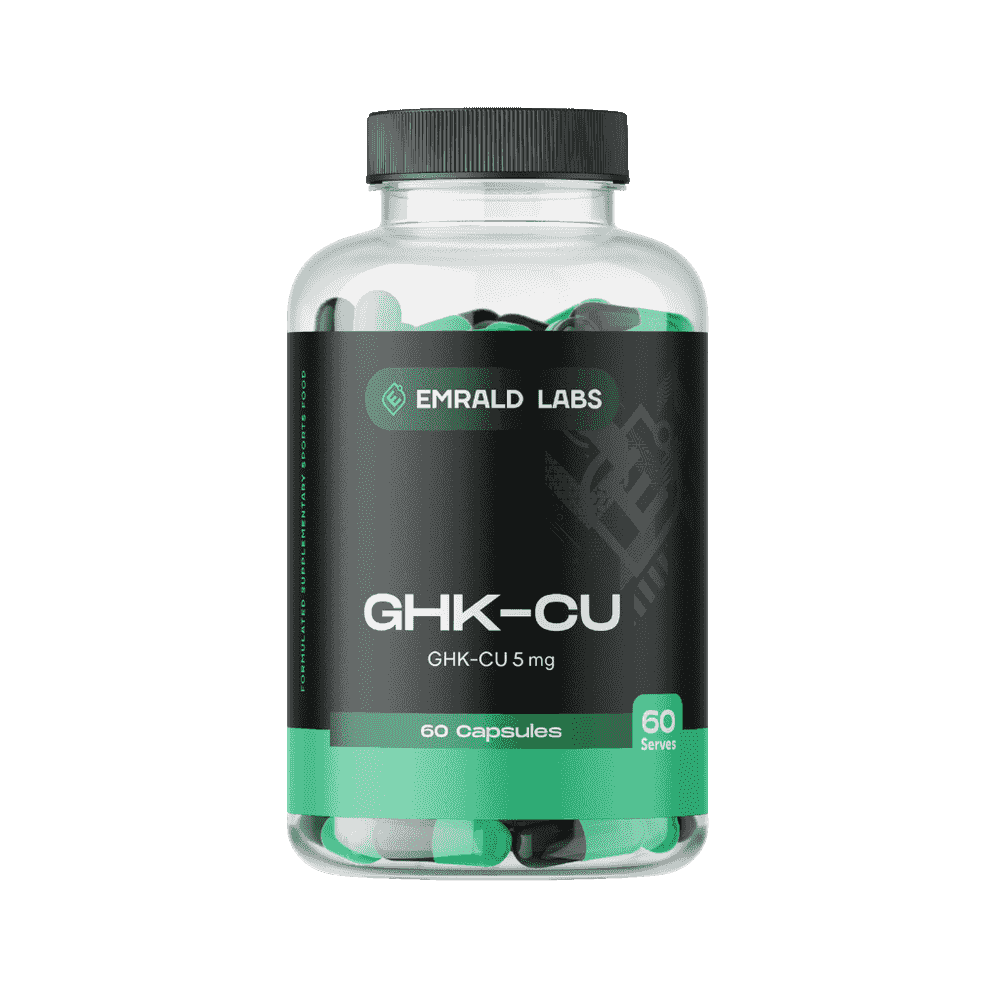
Cosmetic copper-peptide formulas, commonly used topically and popular in skincare routines for supporting the look of healthy, youthful-feeling skin.
Collagen combined with complementary ingredients such as vitamin C, biotin or hyaluronic acid in convenient powders and gummies for skin, hair and nails.
Adding peptides to your routine takes seconds. Follow these four simple steps and always read the directions for use on your individual product.
Collagen is the most abundant protein in the human body — it’s a key structural component of skin, tendons, ligaments, cartilage and bone. Your body naturally produces collagen, but production gradually declines from your mid-20s onward.
Hydrolysed collagen peptides are simply collagen broken into short amino-acid chains that are easy to mix and consume. They provide a concentrated source of the amino acids glycine, proline and hydroxyproline that the body uses as building blocks.
Educational information only. Individual results vary and are not guaranteed. This is not medical advice — consult a healthcare professional before use.

Peptides are short chains of amino acids — the same building blocks that make up proteins. The peptides sold here are food-grade and topical/oral cosmetic ingredients such as hydrolysed collagen peptides and copper peptides (GHK-Cu).
Yes. Every peptide product we stock is an over-the-counter collagen or cosmetic copper-peptide supplement that complies with Australian regulations. We do not sell prescription-only or injectable research peptides.
Most collagen peptides are an unflavoured or flavoured powder you mix into water, coffee or a shake once daily. Always read the label and follow the directions for use on the individual product.
Collagen and cosmetic peptides are generally well tolerated. If you are pregnant, breastfeeding, taking medication, or have a medical condition, consult a healthcare professional before use.
This varies between individuals and is not guaranteed. Consistency matters most — many people use collagen daily for 8–12 weeks alongside a balanced diet and training program.
Collagen peptides are hydrolysed protein you consume (a powder mixed into drinks) to supply amino acids like glycine and proline. Copper peptides (GHK-Cu) are typically used in topical cosmetic formulas applied to the skin. They are different ingredients used in different ways.
Hydrolysis breaks collagen down into much smaller peptide chains. Smaller peptides dissolve easily in cold or hot liquid without clumping and are convenient to take daily — which is why most collagen supplements use the hydrolysed form.
Collagen is generally easy to combine with everyday supplements such as protein powder, creatine or a greens blend. Some people pair it with vitamin C, which the body uses in normal collagen formation. Always read each product label and follow the directions for use.
There is no single required time — the most important factor is taking it consistently. Many people add it to a morning coffee or smoothie simply because it is easy to remember as part of a daily routine.
Traditional collagen is sourced from animals (bovine or marine), so it is not vegan. If you follow a plant-based diet, look instead for "vegan collagen support" blends built around amino acids and nutrients like vitamin C rather than animal-derived collagen.
Want to understand how supplements fit your goals? Read our hormone & recovery support guide or browse the magazine.