Carbs vs Fats for Energy: Which Should You Eat Before Training?
Carbs or fats — which fuel actually gets you through a hard session? Here's how each energy system works and how to fuel your specific type of training.
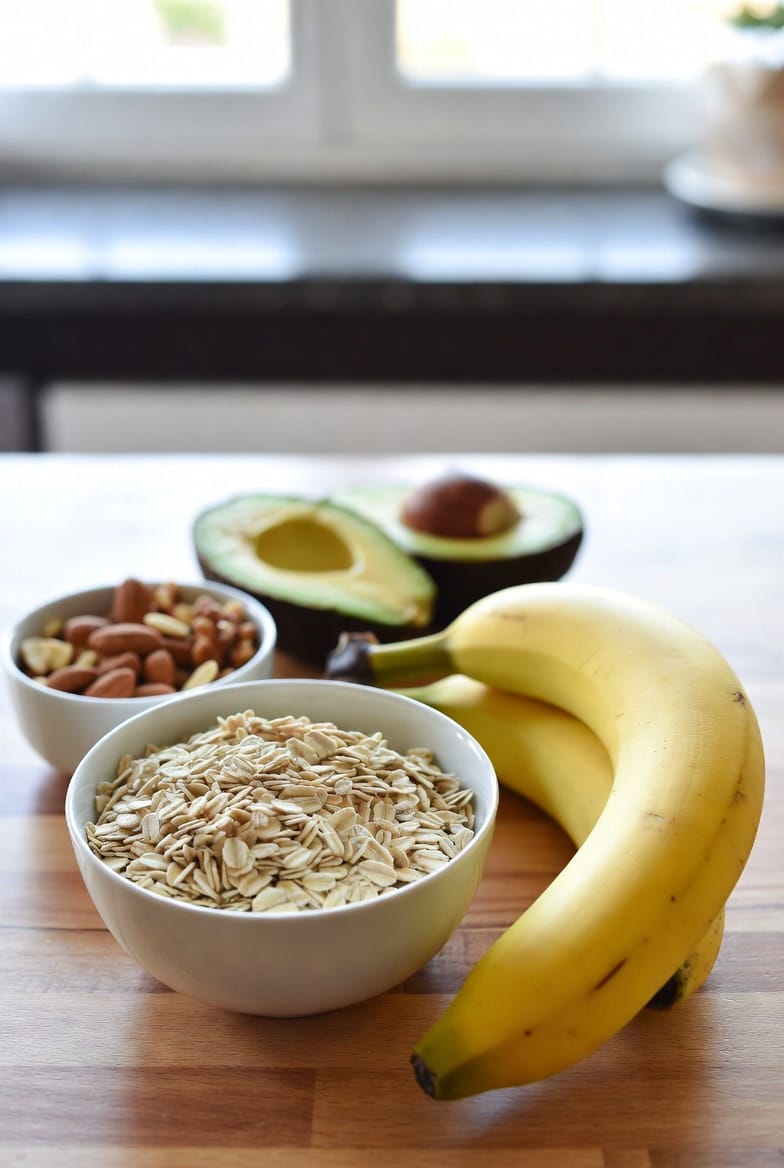
Low-carb diets and "fat-adapted" training both have loud advocates — but for most people training regularly, the question isn't really carbs or fats, it's which one to lean on for which type of session. Here's the practical breakdown.
How Carbs Fuel You
Carbohydrate is stored in muscle and liver as glycogen and is your body's fastest, most readily available fuel source — particularly for higher-intensity efforts. It can be broken down quickly, without needing as much oxygen as fat metabolism, which is exactly what you need during a heavy lifting set, a sprint, or any session where intensity spikes.
How Fat Fuels You
Fat is a much larger, slower-burning energy reserve — even a lean person carries tens of thousands of calories of stored fat. The catch is that fat metabolism needs more oxygen and time to convert into usable energy, which makes it the dominant fuel at lower intensities (think a steady walk or an easy long run), but a poor match for anything explosive.
Carbs vs Fats: Which Wins for Your Training?
Strength training & HIIT
Carbs win here. Short, high-intensity efforts rely heavily on quickly-accessible glycogen. Under-fuelling carbs before a heavy session is a common reason training feels flat.
Long, steady-state cardio
Fat plays a bigger role as duration increases and intensity drops — your body naturally shifts toward fat oxidation on longer, easier efforts.
General day-to-day energy
Most people use a mix of both, shifting the balance depending on what they eat and how they train that day. There's no single "correct" ratio that suits everyone.
What About Low-Carb / Keto Training?
Some athletes adapt to training in a lower-carb state over time, becoming more efficient at using fat for fuel — but this typically comes with a transition period, and very high-intensity output can still be harder to sustain on minimal carbs. If you're exploring a keto-friendly approach, expect a few weeks of adaptation and consider keeping carbs available around your hardest sessions.
Practical Takeaways
- Training hard or heavy? Make sure you're not chronically under-eating carbs — they're your primary fuel for intensity.
- Training long and easy? Your body will lean on fat stores more naturally; you don't need to force extra carbs in.
- Not sure? A balanced approach with adequate protein, sensible carbs around training, and healthy fats elsewhere suits most people most of the time.
Frequently Asked Questions
Should I eat carbs or fat before a workout?
For higher-intensity training, a carb-containing meal or snack beforehand is generally the better fuel match. For an easy, low-intensity session, it matters less.
Can I build muscle on a low-carb diet?
Yes — total protein intake and training stimulus matter most for muscle growth. Carb intake affects fuelling and performance more than it directly affects muscle building.
Is fat a "bad" fuel source?
No — it's an essential, abundant energy source, just a slower one. The right balance depends on your training type and personal preference.
This article is general in nature, not medical advice, and complies with the TGA Therapeutic Goods Advertising Code. Individual nutrition needs vary — consult a dietitian or healthcare professional for personalised advice.