Whey Protein Isolate vs Concentrate (WPI vs WPC): Which Should You Buy?
WPI or WPC? A clear, practical guide to whey protein isolate vs concentrate — protein content, lactose, cost and which one suits your goals.
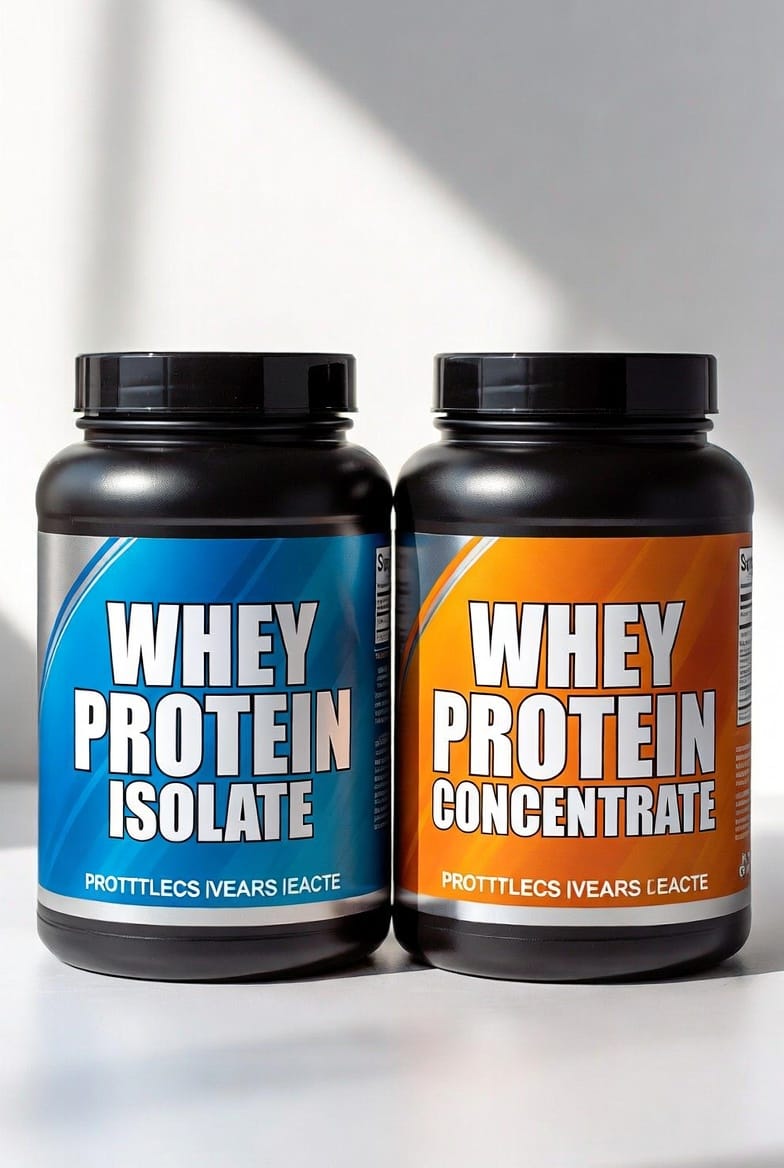
Walk down the protein aisle — or scroll the whey protein shelf online — and you'll see "WPI" and "WPC" on almost every tub. They're both whey protein, made from the same starting material, but the way they're processed changes the macros, the price and who they suit best. Here's a clear, practical breakdown.
What is Whey Protein Concentrate (WPC)?
Whey protein concentrate is the less-filtered form of whey. It typically sits around 70–80% protein by weight, with the remainder made up of small amounts of carbohydrate (lactose) and fat. Because it goes through fewer filtration steps, WPC is generally the more affordable option per gram of protein, and many people find it has a slightly creamier taste and texture.
What is Whey Protein Isolate (WPI)?
Whey protein isolate goes through additional filtration (commonly microfiltration or ion-exchange) to strip out most of the lactose and fat, pushing protein content up to around 90%+ by weight. That makes WPI a leaner option — lower in carbs and calories per serve — and generally easier to tolerate if you're sensitive to lactose, though it isn't dairy-free.
WPI vs WPC: Side by Side
Protein per serve
WPI edges ahead here, typically delivering a slightly higher percentage of protein per scoop than WPC. If you're tightly tracking macros, that difference can matter over weeks and months.
Lactose & carbs
WPI is the clear winner if lactose sensitivity or a lower-carb approach is a priority — it's filtered further to remove the bulk of the lactose and fat that concentrate retains.
Cost
WPC is almost always cheaper per gram of protein, since it requires less processing. For everyday training nutrition where every gram of protein doesn't need to be maximally lean, WPC offers excellent value.
Taste & mixability
This varies by brand and flavour system more than by format, but many people find WPC slightly creamier, while WPI can mix thinner and lighter.
Which One Should You Choose?
There's no universally "better" option — it depends on your goal, budget and how your body handles lactose:
- Choose WPC if: you want the best value per gram of protein and don't need an ultra-lean macro profile.
- Choose WPI if: you're managing total carbs/calories closely, training for a leaner physique, or find regular dairy protein sits heavy.
- Can't decide? A whey protein blend combining both gives you a middle ground.
Frequently Asked Questions
Is WPI worth the extra cost?
If lactose tolerance or a leaner macro profile matters to you, yes — otherwise WPC delivers comparable protein at a lower price.
Can I switch between WPI and WPC?
Yes. Many people use WPC day-to-day and switch to WPI around a cut or if they notice digestive discomfort.
Is either one vegan?
No — both WPI and WPC are dairy-derived. If you need a dairy-free option, look at our vegan protein powder range instead.
This article is general in nature, not medical advice, and complies with the TGA Therapeutic Goods Advertising Code. Always check the product label for full ingredient and allergen information, and speak to a healthcare professional about your individual dietary needs.